



How Do You Seek Compensation After a Drunk Driving Accident in Texas?
 Being hurt by a drunk driver can leave you facing medical bills and time away from work. The driver’s arrest might offer some reassurance, but criminal charges do not pay for your recovery.
In Texas, you seek compensation through an insurance claim or a civil lawsuit against those responsible for the crash. If you were injured in a drunk driving accident in 2026, a Collin County, TX DUI injury attorney will help you navigate the process for pursuing compensation.
How Do You Start an Injury Claim Against a Drunk Driver in Texas?
Start by notifying the driver’s auto insurer that you are seeking compensation for injuries from the crash. The insurer investigates its policyholder’s responsibility and the losses you claim. An arrest does not automatically lead to payment. You still need to connect the driver’s conduct to the crash and document your injuries.
If negotiations do not produce a fair settlement, filing a lawsuit against the driver provides another path. Most claims begin with insurance negotiations, but you do not have to accept the insurer’s assessment of what you are owed.
What Evidence Supports a Texas Drunk Driving Injury Claim?
The evidence should establish how the collision happened and how it harmed you. Proof that the driver had been drinking is relevant, but the claim also needs to address the driving that caused the impact.
Useful evidence includes:
- Police observations and crash reports
- Available breath or blood test results
- Dashcam footage and witness accounts
- Photographs of the scene and property damage
- Medical records connecting your injuries to the collision
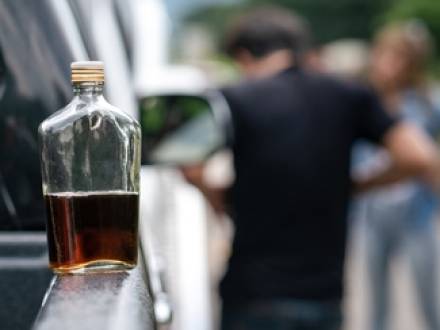
An open container alone does not establish the driver’s level of impairment or prove that they caused the collision. The evidence must be considered together.
Do You Have to Wait for the Texas DWI Case to End Before Filing an Injury Claim in a Drunk Driving Accident Case?
You do not need a DWI conviction before pursuing an injury claim. The criminal case addresses punishment for breaking the law. Your civil claim seeks payment for the harm you suffered.
The two cases also use different proof standards. A criminal conviction requires proof beyond a reasonable doubt. A negligence claim generally requires showing that your account is more likely true than not. A dismissal or acquittal, therefore, does not automatically defeat your injury claim.
What Compensation Is Available After a Texas Drunk Driving Crash?
Compensation addresses losses caused by the accident. These include reasonable medical expenses and lost income during recovery. Lasting injuries might also require payment for expected future care or reduced earning ability.
Physical pain and lasting disability are separate from the bills you receive. Property damage also belongs in the claim when the crash damaged your belongings.
Some cases support exemplary damages, which punish especially serious misconduct. Under Texas Civil Practice and Remedies Code § 41.003, these require clear and convincing proof of qualifying conduct, such as gross negligence. They are not automatic because the driver was intoxicated.
Is the Texas Business That Served the Driver Also Responsible for Damages From a Drunk Driving Accident?
A bar or restaurant might share responsibility under Texas’s dram shop law. However, selling alcohol to someone who later causes a crash is not enough.
According to Texas Alcoholic Beverage Code § 2.02, the evidence must show that the driver was obviously intoxicated when served, to the point of presenting a clear danger, and that this condition was apparent to the provider. The intoxication must also have caused the claimed harm.
What Happens if the Insurer Denies Your Texas Drunk Driving Claim?
An insurance denial does not end your right to seek compensation. Ask for the reason in writing so you know whether the insurer disputes its driver’s fault, the cause of your injuries, or coverage under the policy.
Your response should address that specific objection. For example, if the insurer claims your injuries existed before the crash, medical records showing new symptoms or greater limitations help explain what changed.
If the dispute remains unresolved, you have the option to sue the driver. The court then decides the contested issues based on the evidence, rather than treating the insurer’s denial as the final decision.
Contact a Collin County, TX Drunk Driving Accident Lawyer
You should not have to navigate the aftermath of a drunk driving crash alone. At Burress Injury Law, our attorneys will handle insurance negotiations and pursue a settlement or court judgment that addresses your losses.
Contact our Allen, TX personal injury attorneys or call 214-726-0016 to schedule a free consultation.















 ON


|
Offices |
From our offices in McKinney, Frisco, Paris, Sherman, Denison, and Celina, we serve clients throughout Collin County, Lamar County, Grayson County and all of Texas, including Allen, Anna, Bonham, Carrollton, Celina, Commerce, Coppell, Dallas, Denison, Denton, Flower Mound, Frisco, Gainesville, Garland, Grapevine, Greenville, Gunter, Heath, Howe, Leonard, Lewisville, Little Elm, McKinney, Melissa, Murphy, Paris, Pilot Point, Plano, Pottsboro, Princeton, Prosper, Providence Village, Richardson, Rockwall, Rowlett, Sachse, Sherman, The Colony, Van Alstyne, and Whitesboro.
Results listed are not a guarantee or indication of future case results.
© 2026 Burress Law PLLC. All Rights Reserved.


Apply Now!
Please submit your resume in PDF format via e-mail: admin@mytexasfirm.com. Do not call our office.
Your application should include your resume and a cover letter. Our team reviews all submissions from potential candidates, and we will respond to your email as quickly as possible. If you have any questions about the position or the submission of your resume, please send us an email using the link above.
