


Can Bad Weather Excuse a Driver Who Causes a Texas Car Accident?
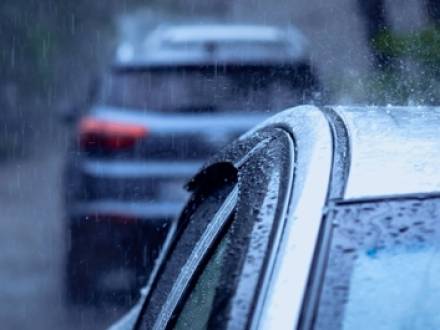 Heavy rain and other bad weather can make even a familiar Texas road dangerous. Visibility drops, and pavement is slicker, leaving drivers less time to react when traffic suddenly slows. These conditions can contribute to a crash, but they do not remove a driver's responsibility to drive safely.
Bad weather does not excuse a driver who causes a car accident through negligent driving. Texas law requires drivers to adjust to dangerous weather and road conditions. If you were injured in a weather-related crash in 2026, a Plano, TX car accident attorney can help you determine who was responsible.
What Does Texas Law Require Drivers to Do in Bad Weather?
According to Texas Transportation Code Section 545.351, drivers must travel at a speed that is reasonable and prudent under the existing conditions and slow down when weather or highway conditions create a special hazard. This means the posted speed limit is not always a safe speed. A driver going 60 mph in a 60 mph zone could still be driving too fast during heavy rain.
Texas Transportation Code Section 547.302 also requires drivers use the vehicle's required lights when weather or other atmospheric conditions make a person or vehicle difficult to see from 1,000 feet ahead. Again, the law requires drivers to account for the conditions around them instead of driving the same way they would on a clear, dry day.
When Is a Driver Responsible for a Bad Weather Car Accident in Texas?
A driver is responsible when negligent conduct contributes to the collision. In bad weather, this often means the driver failed to take precautions that the conditions called for.
Examples can include:
- Following another vehicle too closely on a wet road
- Making an unsafe turn or lane change when visibility is limited
- Failing to use headlights when required
- Driving at an unsafe speed for the road conditions
The weather itself can still play a role in how the accident happened. However, an insurance company cannot treat rain or fog as proof that no one was responsible. They have to take into account the full picture, including the driver’s conduct.
Can a Driver Be at Fault for a Hydroplaning Accident in Texas?
Hydroplaning happens when a vehicle's tires lose contact with the road because of water on the pavement. The driver can lose steering or braking control as a result.
Losing control does not automatically establish who was responsible for the accident. Investigators can look at how the vehicle was being driven before it began to hydroplane. A driver's speed, following distance, and attempts to control the vehicle can help show whether their conduct contributed to the crash.
Road conditions can also be relevant. Photos showing standing water or drainage problems can help establish what the driver encountered before losing control.
How Can You Prove a Driver Was at Fault in Bad Weather in Texas?
Evidence from the time of the crash can show how the driver responded to the weather. Photos can document visibility and the condition of the road, while dashcam or surveillance footage can show how the vehicles were moving before the collision.
The police crash report can provide additional information about the scene and statements made after the accident. Witnesses, when available, also describe conduct they observed before the crash, such as a vehicle traveling too fast or following another car too closely.
This evidence can help establish whether the weather made the accident unavoidable or whether unsafe driving contributed to it.
What Compensation Can You Recover in Texas After a Weather-Related Car Accident?
If you have a valid claim after a weather-related car accident, the compensation available will cover the losses caused by your injuries. Medical expenses might include emergency treatment and care needed during recovery. Lost income can also be part of a claim when injuries keep you from working.
By law, compensation also address physical pain and other effects of the injuries. Damage to a vehicle or other property can be included as well.
In Cases of Shared Fault
Texas also uses proportionate responsibility when an injured person shares fault for an accident. Under Texas Civil Practice and Remedies Code Section 33.001, a person who is more than 50 percent responsible cannot recover damages. A person who is 50 percent or less responsible has their compensation reduced according to their percentage of responsibility.
Contact a Plano, TX Car Accident Attorney
If you were injured in a bad weather accident, the Collin County, TX car accident lawyers at Burress Injury Law can investigate the crash and help you pursue compensation from the responsible parties. Our firm has earned 1,000 five-star reviews from past clients and has awarded over $129,500 in scholarships. Call 214-726-0016 today to schedule a free consultation.














 ON
ON


|
Offices |
From our offices in McKinney, Frisco, Paris, Sherman, Denison, and Celina, we serve clients throughout Collin County, Lamar County, Grayson County and all of Texas, including Allen, Anna, Bonham, Carrollton, Celina, Commerce, Coppell, Dallas, Denison, Denton, Flower Mound, Frisco, Gainesville, Garland, Grapevine, Greenville, Gunter, Heath, Howe, Leonard, Lewisville, Little Elm, McKinney, Melissa, Murphy, Paris, Pilot Point, Plano, Pottsboro, Princeton, Prosper, Providence Village, Richardson, Rockwall, Rowlett, Sachse, Sherman, The Colony, Van Alstyne, and Whitesboro.
Results listed are not a guarantee or indication of future case results.
© 2026 Burress Law PLLC. All Rights Reserved.


Apply Now!
Please submit your resume in PDF format via e-mail: admin@mytexasfirm.com. Do not call our office.
Your application should include your resume and a cover letter. Our team reviews all submissions from potential candidates, and we will respond to your email as quickly as possible. If you have any questions about the position or the submission of your resume, please send us an email using the link above.
